

Where to Install a Solar Battery in Norfolk Homes?
As more homeowners across Norfolk, Suffolk and Cambridgeshire invest in solar panels, solar battery storage is becoming the next logical step in reducing energy bills and increasing independence from the grid. However, knowing where to install a solar battery in your home is just as important as choosing the right system.
From garages and utility rooms to external walls and outbuildings, homes across East Anglia offer a range of potential installation locations, each with its own advantages and limitations. Factors such as temperature stability, ventilation, fire safety guidance, and ease of access all play a role, particularly within the context of British housing styles and climate conditions. This guide explores the best places to install a solar battery in your home, outlining UK safety standards, practical considerations, and local factors to help you make an informed decision before speaking to an accredited installer, such as Aspecte.
What is a Solar Battery & What are the Benefits?
Solar battery (also known as battery storage) is power storage that can be added to a new or existing system. Solar battery storage systems are a key component of renewable energy solutions, supporting energy efficiency and clean energy use in your home. The key benefit of the battery is that it can store excess energy generated, which can be utilised in the home.
Battery storage can also be utilised without a solar system, utilising lower energy tariffs from providers to charge the battery during off-peak periods, e.g. overnight. Once charged, the battery can then power the house throughout the day to minimise the usage of higher energy costs. Battery storage systems can help reduce electricity bills by allowing users to store energy during off-peak hours and use stored energy during peak hours when electricity prices are higher.
It can benefit homeowners as they have greater control over how and when electricity is used, helping to significantly reduce reliance on the national grid. By storing energy for use during peak periods, households can lower their energy bills while improving their energy independence. Integrating solar batteries with solar panels maximises energy efficiency, energy independence, and reduces reliance on grid power, which may come from fossil fuels, thereby lowering carbon footprints. Home battery storage systems allow homeowners to use stored energy for essential appliances and reduce overall energy consumption, supporting a transition to green energy and a sustainable future.
For properties with solar panels, a battery ensures more of the energy generated is consumed within the home rather than exported at lower rates, while also supporting a reduction in carbon emissions. Battery storage allows homeowners to store excess electricity generated by solar panels (solar PV) during the day for use at night or during cloudy periods, maximising energy savings and energy efficiency. In some cases, battery systems can provide backup power during outages and help future-proof homes for smart tariffs, electric vehicles, and evolving energy pricing structures, making them a practical long-term investment for many households.
Why Battery Placement Matters
Before installation, battery placement is an important consideration that should be made, especially for the safety, efficiency, and longevity of a solar battery system. While the technology itself is designed to be reliable, incorrect positioning can expose the battery to temperature extremes, poor ventilation, or increased fire risk, all of which may impact performance and compliance with UK safety guidance. Lithium-ion batteries, in particular, operate best within stable temperature ranges, making location a key consideration for year-round efficiency in Norfolk weather conditions.
When selecting the installation location, considerations should be made for accessibility for maintenance, system monitoring, and emergency isolation. Access to the solar battery should be easy for annual maintenance or troubleshooting purposes. Batteries installed in unsuitable or hard-to-reach locations may be more difficult to service, potentially increasing long-term costs. For homeowners in Norfolk, Suffolk and Cambridgeshire where property layouts and building ages can vary significantly, thoughtful battery placement ensures the system operates safely, efficiently, and in line with current regulations, while also protecting the value of the investment over time.

Best Locations to Install Solar Battery Storage
Choosing the right location for a solar battery is important to ensure safe operation, optimal performance, and long-term reliability. East Anglia residents can install on-grid battery storage systems to store excess energy generated by solar panels or acquired from the grid during off-peak periods. The ideal installation area should offer stable temperatures, adequate ventilation, protection from the elements, and easy access for maintenance. Seamless integration with existing solar panel systems and tailored solutions based on property layout are important for optimal performance. In East Anglia homes, the most suitable locations are typically garages, utility rooms, or purpose-designed external areas, depending on property layout and available space.
Garage Installations
Garages are one of the most common and practical locations for solar battery installation in your home. They usually provide sufficient space, good ventilation, and a degree of separation from main living areas, which is in line with current fire safety guidance. In many properties, garages also offer stable temperature conditions compared to lofts or external environments, helping the battery operate efficiently throughout the year.
Another advantage of garage installations is accessibility. Installers, such as Aspecte, can safely mount the battery at the correct height with appropriate clearance, making future servicing and system checks straightforward. However, garages must remain dry and free from extreme cold, and installers will assess whether additional insulation or protective housing is required.

Utility Rooms
Utility rooms are another suitable option, particularly in homes where garage space is limited or unavailable. These rooms often have existing electrical infrastructure, making installation simpler and potentially more cost-effective. A solar battery installed in a utility room can benefit from consistent indoor temperatures, which supports battery efficiency and longevity.
Consideration should be made for the ventilation and clearances, as utility rooms are frequently used for other appliances. Batteries should not obstruct access routes or be installed near flammable materials. When installing, we will ensure the placement meets UK safety standards while maintaining safe and practical use of the space.
External Wall or Outbuildings
For some Norfolk homes, especially those with limited internal space, installing a solar battery on an external wall or within an outbuilding can be a suitable alternative. Modern battery systems are available with weather-resistant casings designed for outdoor use, making this solution possible for some homeowners.
External installations must be protected from direct sunlight, excessive moisture, and temperature extremes. Positioning the battery in a shaded area or inside a ventilated outbuilding can help maintain stable operating conditions. While external placements may involve slightly higher installation costs due to additional cabling or protective measures, they can be an effective solution when internal options are not possible.
Locations to Avoid
While solar batteries are designed to be safe and durable, certain areas of the home are unsuitable for installation due to safety, performance, and regulatory considerations. Avoiding high-risk locations helps protect both the household and the battery system, while ensuring compliance with UK fire safety guidance and manufacturer recommendations.
Lofts and Attics
Lofts and attics are generally unsuitable for solar battery installation. These spaces are prone to extreme temperature fluctuations, becoming very cold in winter and excessively hot in summer, which can negatively affect battery performance and lifespan. They also often lack sufficient ventilation and safe access, making installation, maintenance, and emergency isolation more difficult. Additionally, the presence of insulation materials and timber structures increases fire risk, which is why many professional installers will not recommend loft-based installations
Bedrooms and Escape Routes
Solar batteries should not be installed in bedrooms or along designated escape routes such as hallways, stairwells, or landings. UK fire safety guidance prioritises keeping escape routes clear and free from potential hazards. Installing a battery in these areas could restrict safe evacuation in an emergency and may not meet best practice standards. Bedrooms are also considered inappropriate due to their use as living and sleeping spaces, where additional safety precautions are required
Close to Flammable Materials or Windows
Batteries should always be positioned away from flammable materials, including fuel containers, chemicals, paints, or stored household items. Proximity to windows is also discouraged, as broken glass during a fire or impact could compromise the battery casing or create additional hazards. Installers, such as Aspecte, will assess surrounding materials and ensure sufficient clearance is maintained to reduce fire risk and allow proper ventilation.
Humid Areas & Direct Sunlight
Areas with high humidity, such as poorly ventilated bathrooms or damp basements, can damage electrical components and reduce battery efficiency over time. Similarly, locations exposed to direct sunlight can cause overheating, particularly during warmer months. Solar batteries perform best in shaded, dry environments with stable temperatures, making humidity and direct sun exposure key factors to avoid when selecting an installation location.

UK Safety Standards and Regulations for Battery Placement
Solar battery storage installation in the Norfolk, Suffolk and Cambridgeshire is governed by a combination of electrical regulations, fire safety guidance, and industry best practice. While domestic battery storage does not usually require planning permission, placement must comply with UK safety standards to ensure the system operates safely within a residential setting.
All installations should meet UK Building Regulations, particularly Part P, which covers electrical safety in homes. This requires battery systems to be installed by a competent, qualified professional. In practice, reputable installers, like Aspecte, will be MCS certified, ensuring the system meets nationally recognised quality and safety standards and remains eligible for schemes such as the Smart Export Guarantee.
Fire safety guidance should also be considered in the battery placement, as installers are expected to follow PAS 2030 and PAS 2035, which outlines best practice recommendations for the safe installation of electrical energy storage systems in residential properties. This guidance covers factors such as minimum clearances, ventilation requirements, temperature control, and the avoidance of escape routes or habitable rooms. While PAS 2030 and PAS 2035 is not law, it is utilised across the industry and considered when installers make decisions.
Manufacturer installation guidelines must also be followed throughout installation, as battery warranties are often dependent on correct placement and environmental conditions. This includes restrictions around humidity, exposure to direct sunlight, and proximity to flammable materials. In East Anglia homes, where property types and ages vary, a site survey is essential to confirm the most appropriate and compliant location.
Frequently Asked Questions
Installing a solar battery often raises practical questions around placement, safety, costs, and regulations, particularly for homeowners considering battery storage for the first time. The following frequently asked questions address the most common concerns for UK households, with specific consideration given to Norfolk homes, British weather conditions, and current safety standards, helping you make informed decisions before proceeding with installation.
What size battery do I need for my home?
The size of battery required depends on household energy usage, solar panel output, and whether the battery is being used for backup power or tariff optimisation. Typical UK homes install batteries ranging from 5kWh to 10kWh, although larger households or those with electric vehicles may require higher capacity. Installers, like Aspecte, will assess your current usage patterns to recommend the most suitable size.

Where should a solar battery be installed in a home?
A solar battery should be installed in a cool, dry, well-ventilated area with stable temperatures. In most Norfolk homes, garages, utility rooms, external walls, or suitable outbuildings are considered the best locations. The battery should be easily accessible for maintenance and positioned away from living spaces, escape routes, and flammable materials.
What fire safety measures are inside the battery?
Batteries contains a built-in fire suppression system that activates automatically in the event of a thermal event. An aerosol-based suppressant is released directly inside the enclosure, extinguishing any fire at the source without requiring water or external intervention. This is combined with a flame-retardant casing and a Battery Management System (BMS) that continuously monitors for unsafe conditions and disconnects the battery before a fire can develop.

Do I need planning permission for a solar battery in Norfolk, Suffolk and Cambridgeshire?
In most cases, planning permission is not required for a domestic solar battery installation in East Anglia, particularly for internal installations. External installations may require permission if the property is listed, located in a conservation area, or if the battery significantly alters the appearance of the building. It is always advisable to check with the installer before undertaking the project.

What safety standards apply to battery placement?
Solar battery installations must comply with UK Building Regulations, including Part P for electrical safety. Installers also follow PAS 2030 and PAS 2035, which provides best practice guidance for residential battery storage systems. This guidance covers safe clearances, ventilation, temperature control, and the avoidance of bedrooms and escape routes. Manufacturer installation instructions must also be followed to maintain warranties and safety compliance.
How much does installation cost in the UK?
The cost of solar battery installation in the UK typically start from £3,500, depending on battery capacity, system complexity, and installation requirements. Costs may be lower when batteries are installed alongside solar panels, and VAT relief can apply to eligible energy-saving installations. Solar battery storage systems provide energy savings and help reduce costs by allowing homeowners to use stored energy during peak hours, maximising the financial benefits of renewable energy.
Can battery storage be retrofitted to an existing system?
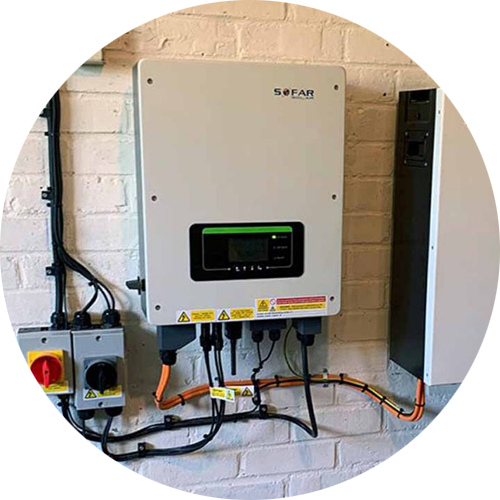
Yes, battery storage can usually be added to an existing solar panel system. Many modern batteries are designed for retrofit installations and can be integrated with current inverters or installed with an additional battery inverter if required. A system assessment is recommended to ensure compatibility and optimal performance.
Can stored energy be used during a power cut?
Yes, stored energy from your solar battery can be used to power essential appliances during a power cut, providing reliable backup power and peace of mind for homeowners. The system needs to be set up correctly for this to be possible. Speak to the installer to ensure your system is capable of this.
Final Thoughts
For homeowners looking to take the next step with solar battery installation, working with a reputable local provider can make the entire process smoother and more reliable. Aspecte specialises in solar panel and battery storage installations tailored to the needs of your property, offering fully packaged solutions that include site surveys, design, installation and ongoing support.
Our team of qualified engineers provides sound advice on the best installation strategy for your home and industry-certified workmanship supported by warranties, helping ensure that your investment is both efficient and compliant with UK standards. Choosing a local, experienced installer like Aspecte also means you benefit from personalised service and a partner who understands the specific considerations of installations in this region. Get in touch for your no-obligation quote.